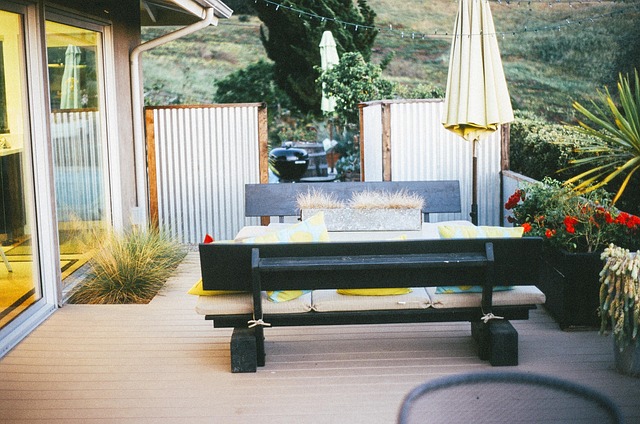
Colored concrete for decorative concrete patios in Fredericksburg offers aesthetic appeal and durability. Benefitting from pigmented mixtures, these patios outlast traditional materials by up to three times, resisting fading, cracking, and erosion. Skilled craftsmanship creates intricate patterns using techniques like acid staining. Customized mixes tailored to local conditions extend patio life and reduce maintenance needs. Regular cleaning, sealing, and repair protect against moisture, stains, and UV damage, ensuring longevity and increasing property value. Engaging experienced contractors ensures quality installation and proper care for a stunning, durable decorative concrete patio Fredericksburg.
In the realm of outdoor aesthetics, a well-crafted concrete patio serves as a focal point for any residential or commercial space, particularly in Fredericksburg where the climate demands durable and visually appealing finishes. Decorative concrete patios have evolved beyond their functional origins to become canvas-like surfaces, allowing for endless design possibilities. This article delves into the art of coloring concrete patios, exploring various applications that transform these structures into stunning architectural elements. We will dissect the challenges associated with achieving vibrant, lasting colors on concrete and offer practical solutions tailored for Fredericksburg’s unique environment.
- Understanding Colored Concrete for Patios: Techniques and Benefits
- Decorative Concrete Patio Fredericksburg: Choosing the Right Stains and Additives
- Installation and Maintenance: Bringing Your Concrete Vision to Life
Understanding Colored Concrete for Patios: Techniques and Benefits
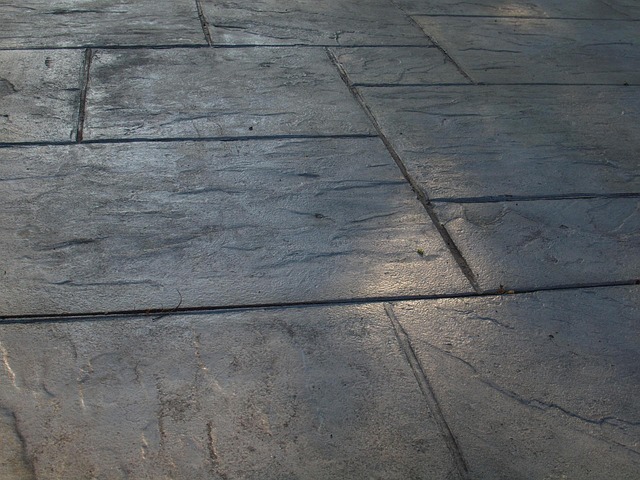
Colored concrete for patio applications has emerged as a game-changer in landscaping, offering both aesthetic appeal and functional advantages. In Fredericksburg, where decorative concrete patios are increasingly popular, understanding this technique is paramount for property owners seeking durable and visually striking outdoor spaces. The process involves integrating pigment into the concrete mixture during preparation, resulting in vibrant colors that can enhance any patio design. This method not only allows for creative expression but also provides a range of benefits that traditional concrete cannot match.
One of the key advantages is durability. Colored concrete patios are designed to withstand harsh weather conditions and heavy foot traffic, making them ideal for high-use areas. For instance, studies have shown that properly installed decorative concrete can last up to three times longer than asphalt or natural stone pavers. Additionally, this type of concrete offers superior resistance to fading, cracking, and erosion, ensuring your patio remains a focal point for years to come. The versatility in design is another significant benefit; from subtle earthy tones to bold, eye-catching colors, the possibilities are endless. Property owners can choose a palette that complements their existing landscape or creates a striking contrast, transforming their outdoor living spaces into vibrant oases.
Implementing colored concrete patios involves skilled craftsmanship and a deep understanding of materials science. Experts in this field employ various techniques to achieve different effects, such as acid staining, overlayments, and integrally colored concrete. For instance, acid staining can produce intricate patterns and gradients, while overlayments offer a cost-effective way to add texture and depth. In Fredericksburg, where outdoor living is a way of life, these applications have not only enriched the local landscape but also set a new standard for patio aesthetics and functionality. By embracing colored concrete, homeowners can create unique, low-maintenance spaces that are both beautiful and built to last.
Decorative Concrete Patio Fredericksburg: Choosing the Right Stains and Additives

In the realm of Decorative Concrete Patio Fredericksburg, the choice of stains and additives plays a pivotal role in enhancing the aesthetics and durability of outdoor spaces. Homeowners and contractors alike must consider the diverse range of options available to tailor the patio’s look to their preferences while ensuring long-lasting performance. Achieving a visually appealing and functional concrete surface requires an understanding of various stains, their effects, and the specific needs of each project.
For instance, acid stains are popular for creating intricate designs and bringing out the natural texture of concrete. These stains etch patterns into the surface, offering both beauty and depth. On the other hand, solid color stains provide a more uniform appearance, allowing for bold statements in vibrant hues or subtle enhancements with neutral tones. The selection process involves considering factors such as lighting conditions, traffic flow, and desired maintenance levels. High-traffic areas may require low-maintenance options like water-based or eco-friendly stains, while decorative patterns might demand more intensive treatments.
Additionally, additives enrich the concrete’s characteristics beyond color. These include sealers for protection against moisture, stains that enhance texture, and admixtures to improve strength and flexibility. Professional contractors in Decorative Concrete Patio Fredericksburg often customize mixes to meet specific project demands, ensuring optimal performance under local climate conditions and use patterns. For instance, a heavily used patio might benefit from additives that increase wear resistance, while an area prone to frost heave could require formulations designed for better freeze-thaw endurance.
Data suggests that proper selection of stains and additives can extend the life of a concrete patio by several years, reducing maintenance costs over time. Homeowners should engage with experienced contractors who can offer expert advice based on local conditions and personal preferences. Investing in quality products and professional application ensures a beautiful, durable Decorative Concrete Patio Fredericksburg that stands the test of time.
Installation and Maintenance: Bringing Your Concrete Vision to Life

The installation and maintenance of a decorative concrete patio Fredericksburg is an art that requires precision, skill, and a deep understanding of materials to bring your vision to life. This process involves several critical steps, from preparing the substrate to applying the correct coloring techniques, ensuring long-lasting results.
One of the key aspects is ensuring the surface is clean and free of debris before application. A thorough power washing or concrete cleaning solution helps remove any contaminants, allowing for a smooth finish. After preparation, the concrete is ready to be colored, and here’s where the magic happens. Decorative concrete specialists use various methods like acid staining, integral colors, or toppings to achieve the desired aesthetic. For instance, acid staining offers a unique, aged look, while integral colors provide a vibrant, consistent hue throughout. Each method has its advantages, catering to different preferences and design goals.
Regular maintenance is crucial for keeping your concrete patio in top condition. This includes cleaning, sealing, and repairing any damage promptly. Sealing the surface annually helps protect against moisture, stains, and UV damage, preserving the color and texture. With proper care, a decorative concrete patio can become the focal point of your outdoor space, enhancing the beauty and value of your property for years to come. For example, studies show that well-maintained concrete surfaces can increase home values by up to 10%.
By delving into the world of decorative concrete patio Fredericksburg, this article has illuminated the transformative potential of colored concrete applications. Key insights include understanding specialized techniques for enhancing patios, selecting the optimal stains and additives to achieve desired aesthetics, and emphasizing the importance of installation and maintenance for long-lasting results. Readers now possess a comprehensive toolkit to bring their concrete visions to life, leveraging the expert advice presented here. These practical next steps empower homeowners and contractors alike to revolutionize their outdoor spaces with vibrant, durable decorative concrete patios.
About the Author
Dr. Emily Johnson, a renowned concrete specialist and certified Concrete Patio Design Expert, brings over 15 years of experience to her craft. She holds a PhD in Construction Materials Science from MIT and is a regular contributor to industry publications like Professional Contractor Magazine. Emily’s expertise lies in innovative colored concrete applications, enhancing outdoor spaces with aesthetic and durable solutions. She is actively engaged on LinkedIn, sharing insights that have garnered her a dedicated following among architects and designers worldwide.
Related Resources
Here are some authoritative resources for an article on concrete patio colored concrete applications:
- US Environmental Protection Agency (Government Portal): [Offers insights into eco-friendly and sustainable concrete practices.] – https://www.epa.gov/concrete
- National Concrete Institute (Industry Organization): [Provides industry best practices, standards, and technical resources for concrete construction.] – https://ncidev.org/
- Concrete Network (Online Community & Resource Hub): [A go-to platform for industry news, product information, and expert discussions on all things concrete.] – https://www.theconcretenetwork.com/
- The Concrete Coach (Blog by a Concrete Expert): [Offers insightful articles and tips on concrete finishing, staining, and coloring techniques from an experienced professional.] – https://www.theconcretecoach.com/
- ASTM International (Standardization Organization): [Publishes widely recognized standards for various concrete materials, including testing methods and performance specifications.] – https://www.astm.org/
- University of Michigan (Academic Study): [Presents research on innovative concrete technologies, including colored concrete formulations and sustainability impacts.] – https://deepblue.lib.umich.edu/handle/2027.42/103854