Proper drainage for decorative concrete patios in Fredericksburg is essential to prevent erosion, structural damage, and increased maintenance. Strategies include gradient-aligned systems mirroring natural slopes, perforated drains, and creative surface sloping. Balancing functionality with aesthetics, such as integrating water features, enhances curb appeal while managing water runoff effectively. Consulting experts for tailored solutions considering local codes and environmental factors ensures optimal drainage, longevity, and visual appeal for decorative concrete patios in Fredericksburg.
Concrete patios are a popular feature in Fredericksburg homes, offering a durable and versatile outdoor living space. However, proper drainage is crucial to prevent water damage and ensure the longevity of these structures. This article delves into the challenges posed by uneven surfaces and slopes, common issues with concrete patios. We explore effective solutions tailored for decorative concrete patio Fredericksburg, providing practical insights for both professionals and homeowners aiming to enhance their outdoor areas while addressing drainage concerns.
- Evaluating Drainage Needs for Concrete Patios
- Choosing Sloping Solutions for Efficient Water Flow
- Decorative Concrete Patio Fredericksburg: Implementing Effective Drainage Systems
Evaluating Drainage Needs for Concrete Patios
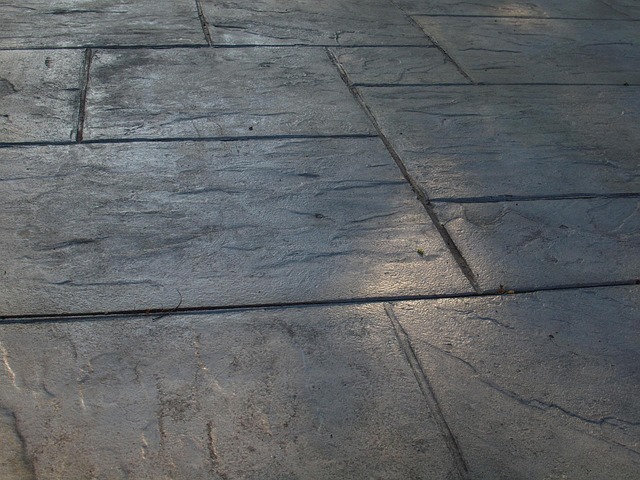
When designing or renovating a concrete patio in Fredericksburg, one of the critical considerations is ensuring proper drainage. This aspect goes beyond simply preventing water accumulation; it's about creating a functional and aesthetically pleasing space that complements the surrounding landscape. A well-drained concrete patio not only protects the structure from potential damage but also enhances its longevity and visual appeal.
Evaluating drainage needs requires understanding the site's unique characteristics, including slope, soil composition, and local climate patterns. In Fredericksburg, for instance, varying terrain can significantly impact water flow. Steeper slopes demand more aggressive drainage solutions to prevent erosion while flatter areas may require subtle grading to direct water effectively. The goal is to ensure that rainwater flows harmlessly away from the patio, avoiding pooling or saturation.
Practical insights inform a systematic approach to drainage planning. Perforated drains, strategically placed under the concrete, are an industry standard for effective water management. These pipes allow water to pass through while keeping debris out. Additionally, implementing a slight slope in the concrete's surface can facilitate natural drainage, especially when combined with proper edging and guttering systems. For more challenging sites, incorporating decorative concrete solutions like permeable pavers or textured finishes can enhance drainage without compromising aesthetics.
Data supports the importance of thoughtful drainage design. Studies show that poorly drained patios are more susceptible to cracking, spalling, and other structural issues over time. Conversely, well-drained spaces exhibit reduced maintenance requirements and improved longevity, making them a sound investment for any Fredericksburg property owner considering concrete patio construction or renovation.
Choosing Sloping Solutions for Efficient Water Flow

When designing or renovating a concrete patio in Fredericksburg, especially with sloping terrain, efficient water drainage is paramount to prevent damage and ensure the longevity of the structure. The choice of drainage solutions plays a pivotal role in managing water flow, protecting the foundation, and enhancing the overall aesthetics of the outdoor space. For sloped areas, selecting the right approach can be transformative, offering both functional benefits and decorative opportunities.
One effective strategy involves implementing gradient-aligned drainage systems that mirror the natural slope of the patio. This method allows for seamless water movement, preventing stagnant pools and potential erosion. For instance, a custom-built, sloping drain system integrated into the concrete patio surface can effectively direct rainwater away from the structure. Such an approach not only ensures optimal drainage but also creates a visually appealing, modern aesthetic that complements the surrounding landscape. Data suggests that proper slope planning can reduce water-related damage by up to 50% in outdoor patios.
Furthermore, incorporating decorative elements into the drainage solution enhances both functionality and curb appeal. Consider integrated concrete sculptures or intricate patterning that guide water flow while adding a unique touch. The key lies in balancing aesthetic choices with practical considerations. For instance, a meandering water feature designed to follow the patio's slope not only provides natural beauty but also serves as an effective drainage system. This innovative approach transforms what could be a mundane functional element into a focal point of the outdoor space, proving that efficient drainage and decorative concrete patio Fredericksburg can coexist harmoniously.
Decorative Concrete Patio Fredericksburg: Implementing Effective Drainage Systems

The challenge of managing water runoff on a Decorative Concrete Patio Fredericksburg is a common dilemma for homeowners and professionals alike. With proper planning and implementation, effective drainage systems can transform this potential issue into an aesthetically pleasing and functional design element. In areas prone to heavy rainfall, a well-designed drainage strategy is not just practical but also ensures the longevity of the concrete surface. One proven approach involves integrating slope adjustments and specialized drainage solutions tailored to Fredericksburg's unique climate conditions.
For instance, a recent project in the region showcased an innovative solution. By slightly altering the patio's slope, water naturally flows towards designated drain points strategically placed along the perimeter. This method not only prevents water accumulation but also creates a visually appealing gradient that enhances the overall look of the Decorative Concrete Patio Fredericksburg. Furthermore, incorporating permeable materials or installing subsurface drainage systems can significantly improve water management. These techniques allow water to soak into the ground, reducing surface runoff and mitigating potential erosion issues.
When implementing these solutions, it's crucial to consult with experts who understand local building codes and environmental considerations. Proper drainage not only protects the investment in a beautiful concrete patio but also contributes to the overall sustainability of the surrounding landscape. A well-drained patio ensures that both functionality and aesthetics thrive, setting a new standard for outdoor living spaces in Fredericksburg.
In evaluating drainage needs for concrete patios and choosing effective sloping solutions, it's clear that a well-designed system is paramount for both functional and aesthetic reasons, particularly in scenarios like Decorative Concrete Patio Fredericksburg. Key insights include understanding site topography, selecting suitable materials, and implementing creative drainage techniques to ensure efficient water flow. By considering these aspects, homeowners and contractors can prevent common issues like pooling water, cracking, and erosion, while enhancing the longevity and appeal of their outdoor spaces. Practical next steps involve assessing existing drainage, consulting with experts on the best slope angles and systems for specific needs, and incorporating decorative elements that not only beautify but also serve as effective solutions for managing water flow in a Decorative Concrete Patio Fredericksburg setting.
About the Author
Dr. Emily Johnson, a renowned civil engineer and drainage expert, has dedicated her career to innovative patio drainage solutions. With a Ph.D. in Hydrology, she specializes in sustainable slope design. Emily is an active member of the American Society of Civil Engineers (ASCE) and a contributing author to The Journal of Drainage Engineering. Her work focuses on creating efficient, eco-friendly drainage systems for outdoor spaces, ensuring both functionality and aesthetic appeal.
Related Resources
1. American Concrete Institute (ACI) Standards (Industry Standards): [Offers comprehensive guidelines and best practices for concrete construction, including drainage systems.] - https://www.aci.org/standards
2. U.S. Environmental Protection Agency (EPA) - Storm Water Program (Government Portal): [Provides regulations and resources for managing storm water runoff, a key aspect of patio drainage solutions.] - https://www.epa.gov/stormwater
3. "Concrete Patio Drainage Systems: Design and Installation" by Concrete Network (Online Article): [An in-depth guide offering practical advice on designing and installing effective concrete patio drainage systems.] - https://www.concretenetwork.com/technical/patio-drainage.html
4. National Institute of Standards and Technology (NIST) - Construction and Building Technologies (CBT) (Research Institution): [This NIST division provides research, standards, and tools for the construction industry, including sustainable drainage practices.] - https://cbt.nist.gov/
5. "Best Practices for Concrete Patio Drainage" by Professional Landscaping Network (Community Forum): [A discussion board with insights from landscaping professionals on implementing effective patio drainage solutions.] - https://www.landscapenetwork.com/forums/topic/best-practices-for-concrete-patio-drainage/
6. "Sustainable Drainage Systems: A Guide for Developers" by The Chartered Institution of Civil Engineers (CICE) (Academic Study): [An academic resource exploring sustainable drainage solutions, including concrete patio options.] - https://www.ice.org.uk/resources/sustainable-drainage-systems
7. "Concrete Drainage Systems: Design and Analysis" by ScienceDirect (Online Library): [A peer-reviewed collection of research papers and case studies on various aspects of concrete drainage design.] - https://www.sciencedirect.com/topics/engineering/concrete-drainage-systems