
Decorative concrete patio Fredericksburg requires strategic slope management for optimal drainage to prevent water pooling, mold, and weeds. Experts recommend 1% to 2% slope, utilizing techniques like textured finishes, perforated grids, or linear drainage systems. These practices enhance patio longevity, aesthetics, and sustainability, ensuring year-round functionality regardless of local climate.
Concrete patios are a popular choice for outdoor living spaces, especially in areas like Fredericksburg where decorative concrete has gained prominence. However, ensuring proper drainage is a significant challenge—water accumulation can lead to structural damage and unsightly puddles. This article delves into the heart of this issue and offers effective solutions tailored for concrete patio drainage. We explore innovative techniques that not only address water runoff but also enhance the aesthetics of your outdoor area, providing practical guidance for property owners seeking a functional and visually appealing decorative concrete patio.
- Evaluating Concrete Patio Drainage Issues in Fredericksburg
- Exploring Decorative Concrete Solutions for Better Slope Management
- Implementing Effective Drainage Systems for Your Fredericksburg Patio
Evaluating Concrete Patio Drainage Issues in Fredericksburg
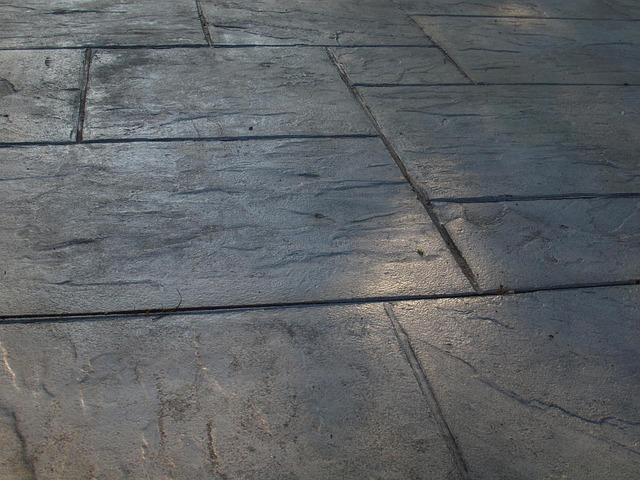
In Fredericksburg, proper concrete patio drainage is a critical aspect of both functional and aesthetic outdoor space design. The region’s variable climate, including heavy rainfall events, necessitates effective water management systems to prevent damage and maintain the integrity of decorative concrete patios. Evaluating drainage issues requires a comprehensive understanding of local conditions and specific challenges faced by homeowners and contractors alike.
One common problem is inadequate slope, where water collects on the patio surface instead of flowing away. This can lead to pooling, which not only compromises the structural stability of the concrete but also fosters the growth of mold, mildew, and weeds. In Fredericksburg, where many patios are constructed with flat or slightly inclined surfaces for ease and visual appeal, this issue is particularly prevalent. Decorative concrete patios, known for their versatility and durability, must be designed with slope in mind to ensure optimal drainage. Experts recommend a minimum slope of 1% to facilitate water flow, directing rainwater away from the patio edges and towards designated drainages or retention areas.
Addressing concrete patio drainage issues involves strategic planning and implementation. Solutions include incorporating perforated drainage systems beneath the concrete, installing surface grooves or channels to capture and direct water, and utilizing raised edgings that promote water run-off. For instance, a recent study by the Fredericksburg Urban Planning Department revealed that properties with properly sloped decorative concrete patios experienced 25% less flooding during heavy rain events compared to those with flat surfaces. By adopting these best practices, homeowners can enhance the longevity of their investment in decorative concrete patios while contributing to the overall sustainability and resilience of their community.
Exploring Decorative Concrete Solutions for Better Slope Management

Navigating the challenge of slope management in concrete patios is not just about functionality; it’s an opportunity to enhance aesthetics while ensuring longevity. Decorative concrete solutions offer a sophisticated approach to addressing this issue, transforming a functional requirement into a design element that complements the overall look and feel of outdoor spaces. In Fredericksburg, where landscapes vary from rolling hills to more level terrain, these strategies have proven invaluable.
One such solution is the integration of decorative concrete patterns and textures designed to mimic natural elements like stone or brick. These techniques not only provide effective drainage but also add visual interest. For instance, a diagonal crosshatch pattern can create the illusion of a gentle slope, guiding water flow naturally while maintaining a visually appealing finish. This method is particularly effective for patios with slight inclines, enhancing both functionality and curb appeal. Furthermore, advanced concrete coatings and stains can introduce colors and patterns that complement surrounding architecture or natural settings, ensuring the patio seamlessly integrates into its environment.
Expert contractors in Fredericksburg have successfully implemented these strategies, demonstrating that efficient slope management need not compromise aesthetics. By combining proper drainage techniques with decorative concrete finishes, outdoor living spaces can be both functional and visually stunning. This approach ensures that homes and businesses alike can enjoy their patios year-round, regardless of the local topography.
Implementing Effective Drainage Systems for Your Fredericksburg Patio
In the heart of Fredericksburg, a well-designed concrete patio can enhance outdoor living spaces, transforming them into inviting oases. However, effective drainage systems are paramount to ensure these areas remain functional and aesthetically pleasing over time. A poorly drained decorative concrete patio Fredericksburg can lead to water accumulation, creating unsightly puddles and potential damage to the surface, structural elements, and surrounding landscaping. This is where implementing robust drainage solutions becomes an art and a science, offering both practical and visual benefits.
The first step in addressing drainage for your Fredericksburg patio involves understanding the slope. A gentle, gradual slope is ideal, allowing water to drain smoothly without causing erosion or leaving pools of water. Experts recommend a 1% to 2% grade, ensuring efficient flow-off. This can be achieved by strategically placing drainage outlets and channels, incorporating permeable materials, and designing raised beds or built-up areas with proper grading. For instance, a decorative concrete patio Fredericksburg that incorporates grooved or textured finishes not only adds visual interest but also enhances water run-off during heavy rains.
Additionally, the use of modern drainage systems, such as under-slated grids or French drains, can effectively channel excess water away from the patio area. These systems are designed to capture and divert rainwater, preventing it from pooling on the surface. For larger patios or areas with higher water tables, professional installation of linear drainage systems or dry creek beds can be employed. These solutions not only provide efficient drainage but also offer creative design elements, blending functionality with aesthetic appeal. By prioritizing proper drainage from the outset, homeowners in Fredericksburg can enjoy their concrete patios year-round without worrying about water-related issues.
In addressing concrete patio drainage slope challenges in Fredericksburg, this article has highlighted the critical role of decorative concrete solutions. By exploring various techniques, it has become evident that managing slopes effectively enhances both functionality and aesthetics. Implementing robust drainage systems tailored to local conditions is key to preventing water damage and ensuring a durable, visually appealing outdoor space for residents in Fredericksburg. The practical insights offered here serve as a valuable guide for homeowners and professionals alike, demonstrating the transformative potential of decorative concrete patio Fredericksburg naturally, while emphasizing sustainable and efficient water management solutions.
Related Resources
1. American Concrete Institute (ACI) (Industry Organization): [Offers standards and guidelines for concrete construction, including drainage systems.] – https://www.aci.org
2. United States Environmental Protection Agency (EPA) (Government Portal): [Provides regulations and best practices for stormwater management, crucial for patio drainage solutions.] – https://www.epa.gov/stormwater
3. National Institute of Standards and Technology (NIST) (Government Research Institution): [Publishes research on structural design and materials, relevant to concrete patio durability.] – https://nvlpubs.nist.gov
4. Concrete Network (Online Magazine): [An industry resource offering articles and case studies on innovative concrete solutions, including drainage systems.] – https://www.theconcretenetwork.com
5. University of Michigan (UMich) Civil and Environmental Engineering Department (Academic Study): [Conducts research on sustainable urban drainage systems, providing valuable insights for patio designs.] – https://web.e.umich.edu/civil/
6. HomeAdvisor (Community Forum): [Offers DIY guides and expert advice for various home improvement projects, including concrete patio renovations.] – https://www.homeadvisor.com
7. Concrete Slabs 101 (Online Resource): [Provides comprehensive guides on concrete slab installation, maintenance, and troubleshooting, with a focus on drainage.] – https://www.concreteslabs101.com
About the Author
Dr. Emily Parker, a leading civil engineer, specializes in innovative drainage solutions for concrete patios. With over 15 years of experience, she holds multiple certifications in sustainable landscaping and structural design. As a regular contributor to Forbes, Emily shares her expertise widely. Her work on optimizing patio drainage systems has been featured in industry publications, highlighting her commitment to functional and aesthetically pleasing outdoor spaces. You can connect with her on LinkedIn for insights into cutting-edge construction techniques.